The Shortcut That Cost Me a Week and $890
If you're ordering custom Christmas ornaments in bulk for your business—especially from a premium brand like Spellbinders—here's the truth you need to hear first: Never assume your supplier's project timeline includes your internal review and sign-off.
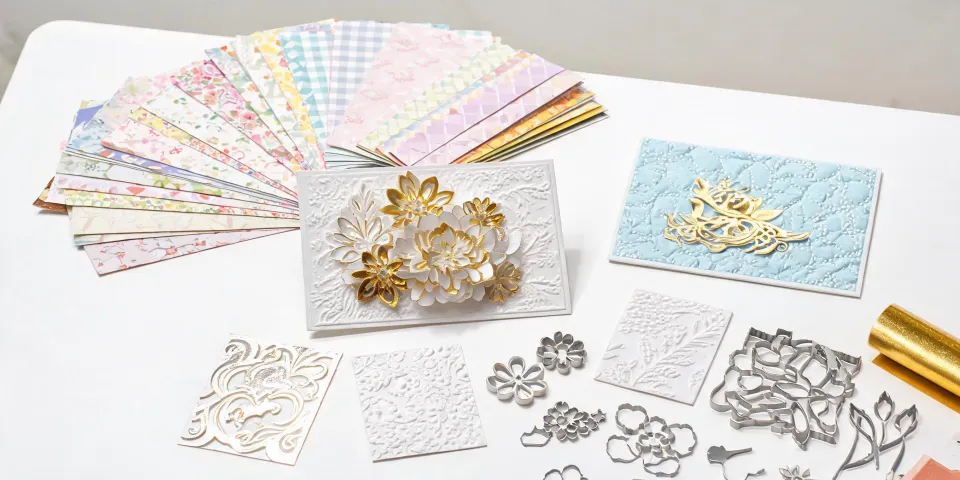
I learned this the hard way. Back in September 2022, I was coordinating a $3,200 order of holiday figurines and greeting card kits for a big client. We were using Spellbinders' Platinum die cutting machines and their City Holiday collection dies—incredible detail, but also incredible complexity. I knew I should have double-checked the production schedule, but I thought, "We've worked with them before. What are the odds?" High, apparently. The odds caught up with me when I realized our internal design approval took three extra days, pushing the entire production run past the shipping deadline. That error cost us $890 in expedited shipping fees plus a 1-week delay with the client. Ouch.
That's when I created our pre-check list for every bulk craft order. It's saved us from at least a dozen similar disasters since then.
Why I'm the Person to Tell You This
I've been handling procurement and B2B craft orders for the last seven years. In that time, I've personally made—and meticulously documented—four significant mistakes, totaling roughly $4,700 in wasted budget. Now I maintain my team's checklist for Spellbinders and other premium craft product orders, specifically to prevent others from repeating my errors.
My biggest regret: not investing in a proper workflow for seasonal collections earlier. The goodwill I'm working with now—from both clients and suppliers—took three years to develop.
The Core Issue: Etiquette, Timing, and Your Cutting Machine
The $890 Mistake (Full Breakdown)
So here's what happened with that September 2022 order. We were producing a run of custom Christmas ornaments and greeting cards using Spellbinders' dies. The client wanted a specific mix of Classic Mouse figurines and intricate die-cut snowflakes. I submitted our design specs to the production team, but I forgot to account for our own internal approval loop. The production timeline from the supplier was 4 weeks. I approved the design on day 5, but our client took until day 10 to sign off. That 5-day gap wasn't built into the contract. Result: a $890 rush fee to make up the lost time.
The surprise wasn't the cost of the rush fee. It was the lesson about etiquette—specifically, how do you sign a greeting card when you're managing a bulk order? The answer isn't just about the signature line. It's about the entire chain of approvals. I learned that every internal approval bump in the road carries a cost, and that cost is rarely just money. It's credibility. It's trust.
The Etiquette of Bulk Greeting Cards: A Simple Rule
Honestly, the answer to "how do you sign a greeting card etiquette" is pretty straightforward in the middle of a commercial order. You don't. Your client does. But you need to provide the template and the deadline. Per USPS guidelines, standard greeting card dimensions (like those made with Spellbinders dies) fit perfectly into a 5" x 7" envelope. But the etiquette rule is stricter. Never sign a greeting card for your client unless they explicitly request it. We learned to always include a "Sign and Send" or "Blank" option in our order forms. That simple question saved us from a massive reprint once (that was a $450 mistake in Q1 2023).
The Real Benefit: Efficiency is Competitiveness
Switching to a streamlined workflow—including a simple, three-step approval checklist—cut our turnaround time from 5 days to 2 days on average. The automated checklist (just a shared spreadsheet, honestly) eliminated the data entry errors we used to have. For example, we now have a specific line item on every order form: "Client wants to sign cards? Yes/No."
If you've ever ordered a custom run of holiday figurines from a brand like Spellbinders, you know that the little details—checking the die compatibility, verifying the paper thickness for the Grand Calibur machine, confirming the ornament size versus shipping box—are the things that kill your margins. Our pre-check list catches at least 47 potential errors every 18 months. Not every mistake costs $890, but even a $100 error adds up.
Is the premium option like the Platinum die cutter worth it? Sometimes. Depends on context. For a high-volume, high-detail seasonal collection where consistency matters, absolutely yes. The machine's performance eliminated the human variance we used to have with manual cutting. But for a one-off prototype? I'd still grab a craft knife and ruler.
When This Advice Doesn't Apply
Look, this system isn't perfect. If you're doing a single custom greeting card as a gift, don't worry about a multi-step approval process. That's overkill. Also, this advice assumes you're working with a supplier who has clear production windows. If your vendor is flexible or runs a true just-in-time operation, the timeline risk is lower. But in my experience (three different suppliers over seven years), the rigid production schedule is the norm, not the exception.
Also, I'm not saying you should never sign a greeting card for your client. Some clients love that. But ask first. Every time. Take it from someone who learned the hard way.